Sjöberg Bildbyrå AB
Stockholm Exhibition 1930 - Premium poster with matte paper
Choose whether you want to order the image printed within a white frame or as a full-bleed image. Depending on the format, the image may be cropped differently.
Couldn't load pickup availability
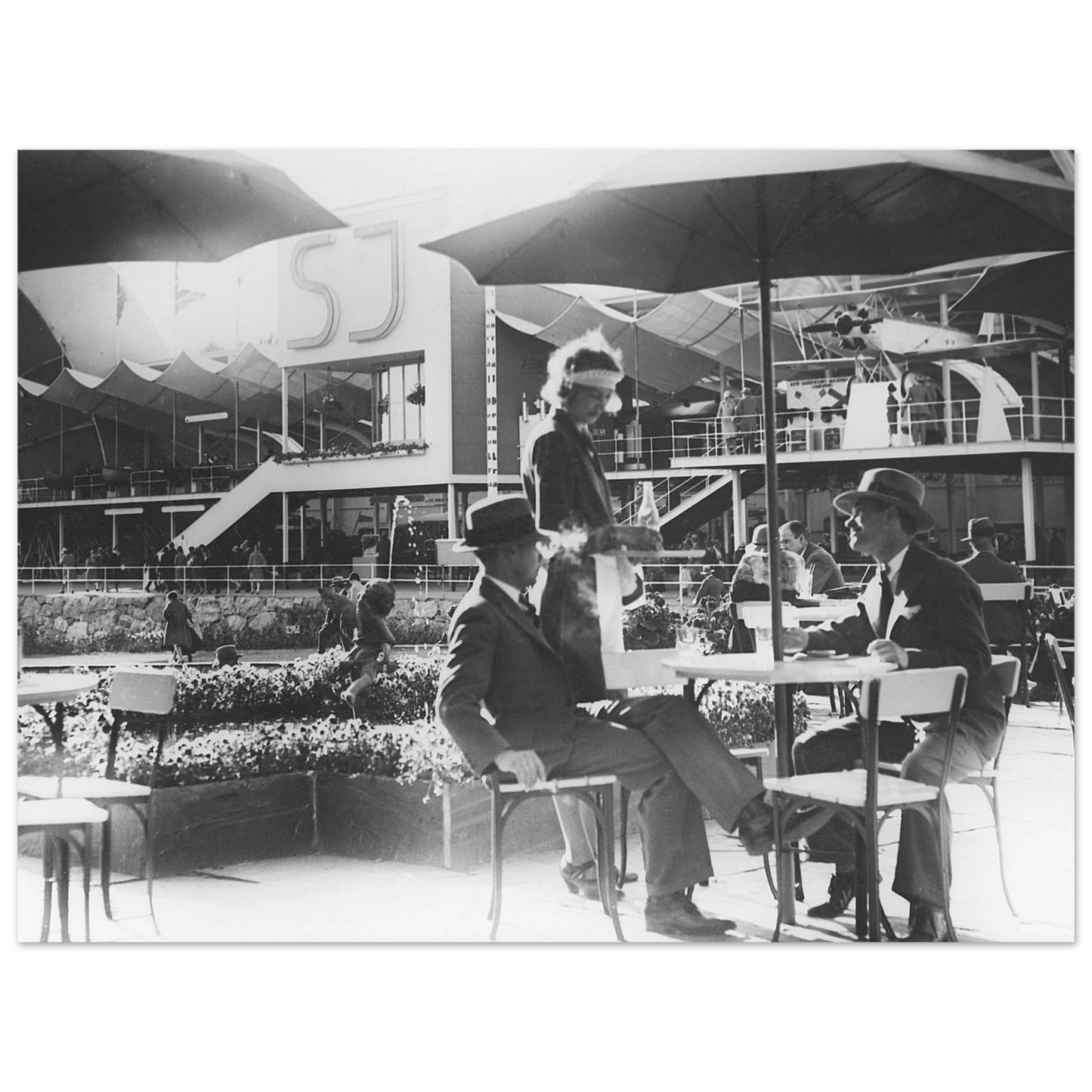
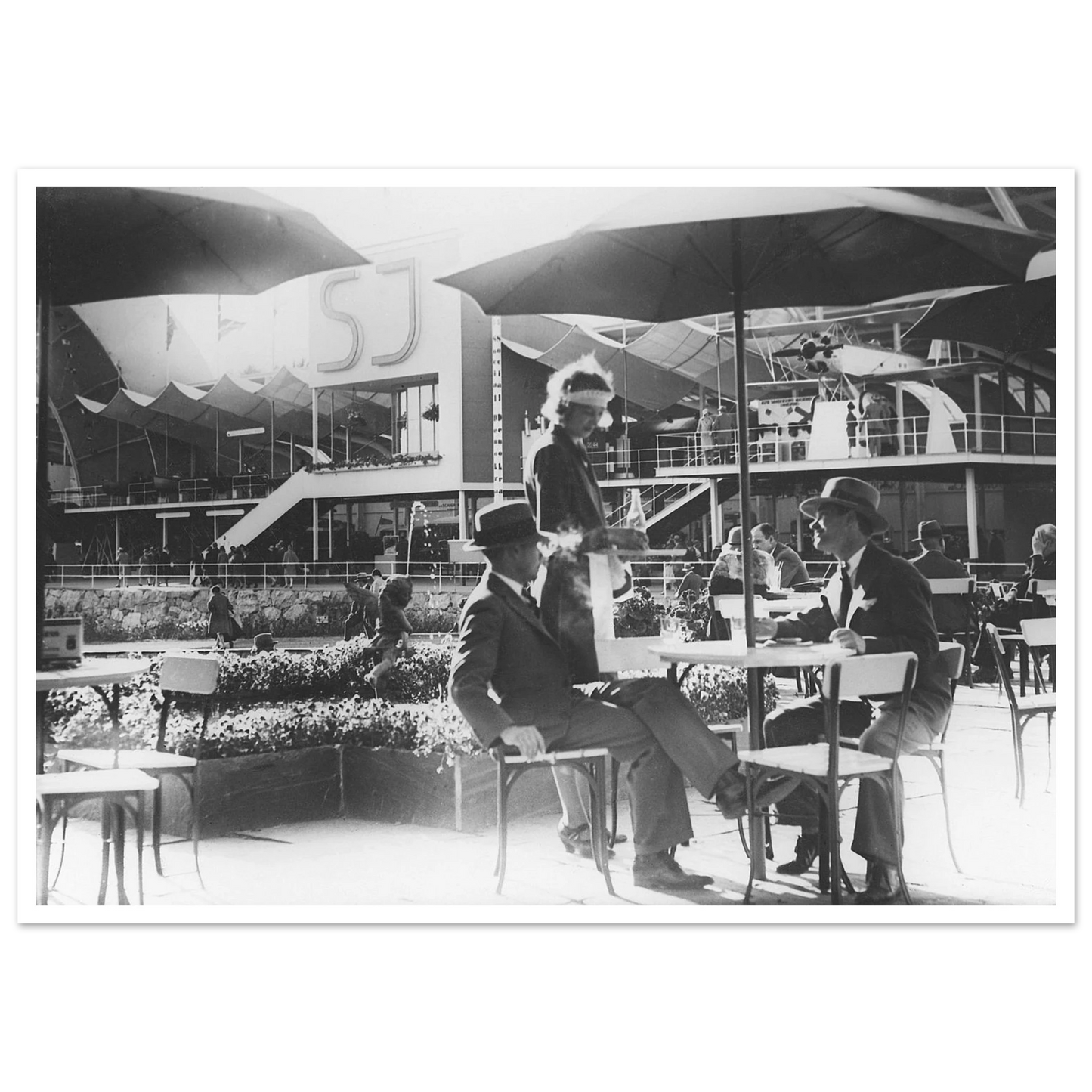
Poster with a picture from the Stockholm Exhibition of 1930.
The Stockholm Exhibition of 1930 was a milestone in Sweden's cultural and design history, a colorful display of modernity that laid the foundation for how we view architecture and design today.
The exhibition, which took place between May 16 and September 29, 1930, was arranged along the northern shore of Djurgårdsbrunnsviken in Stockholm and attracted nearly four million visitors – a staggering figure for a nation of six million inhabitants.
With exhibition architect Gunnar Asplund at the helm, this event became a major breakthrough for functionalism and modernism in Sweden, a revolution that characterized both buildings and everyday objects.
The theme of the exhibition was architecture, design and crafts, but it was not just a display of beautiful things – it was a call for a new way of life. Functionalism, with its mantra "form follows function", celebrated simplicity, practicality and beauty without unnecessary frills. Visitors were greeted by Asplund's airy, bright pavilions, whose clean lines and large glass surfaces stood in sharp contrast to the heavy, ornamented architecture that characterized the turn of the century. The main building, with its elegant modernist design, became a symbol of faith in the future and progress.
The exhibition was not only an architectural display but also a lifestyle revolution. It showcased modern homes, furniture and household products, often designed for mass production, that were supposed to make everyday life easier and more accessible to everyone. Visitors could walk through model homes, so-called "functional apartments", where the kitchens were efficient, the rooms multifunctional and the furniture minimalist but elegant. Designers such as Uno Åhrén and artists such as Otto G. Carlsund contributed visions of a democratic design where beauty was not reserved for the wealthy.
The exhibition area also provided a lively atmosphere, not unlike a modern festival. Restaurants and cafés, such as the one where two men were perhaps sitting and being served by an alert waitress, offered a place to pause and take in the impressions. These cafés were often decorated in the same modernist spirit, with simple tables and chairs that exuded functionalism. The exhibition was a folk festival, but also a demonstration of what the new Sweden could look like – a society characterized by rationality, equality and optimism.
Gunnar Asplund, one of Sweden's most prominent architects, was the mastermind behind the exhibition's design. His work, which later also included masterpieces such as Skogskyrkogården, showed how functionalism could be both human and poetic. But the exhibition was not without its critics. Some considered the functionalist style to be cold and impersonal, and the debate about the place of modernism in Sweden continued long after the doors closed.
The Stockholm Exhibition of 1930 was a turning point. It not only introduced functionalism, but also inspired a new vision of urban planning and design that characterized Sweden in the decades that followed. It showed that architecture and design could be more than decoration – they could shape a better, more just society. To this day, the legacy of 1930 echoes in Sweden’s design tradition, from IKEA’s flat packages to our bright, open homes. The exhibition was, in short, a vision of the future that still shines brightly.
Our premium quality, heavier, white, matte paper has a natural, smooth, uncoated finish that feels luxurious to the touch.